The Latest on Cannopy
Featuring Alessia Cara, Charlotte Cornfield, Joshua Burnside, Locke & King, and more
Get a global view on the arts with our unparalleled features and interviews.
Sign up for The Cannopy Newsletter today.


Alessia Cara is at a juncture of her career that few artists reach. The Canadian singer-songwriter supernova is on the other side of the first decade of her career, a decade which has borne plenty of successful records both critically and commercially, while catapulting herself to the upper echelons of the music industry. With a rise like that, though, it’s fair to wonder how such fame and success affects one’s artistry; moreover, the state of the connection an artist like Cara has to the initial motivations and love of craft that prompted her to embark on this quest. Early career highs can feel precarious, especially when you come from humble beginnings like Cara did, and the pursuit of consistent success can come with a subliminal deviation from what drew you to do what you’re passionate about in the first place. At that emotional fever pitch, then, it can feel like there’s only one path to the top of the mountain—obsession.
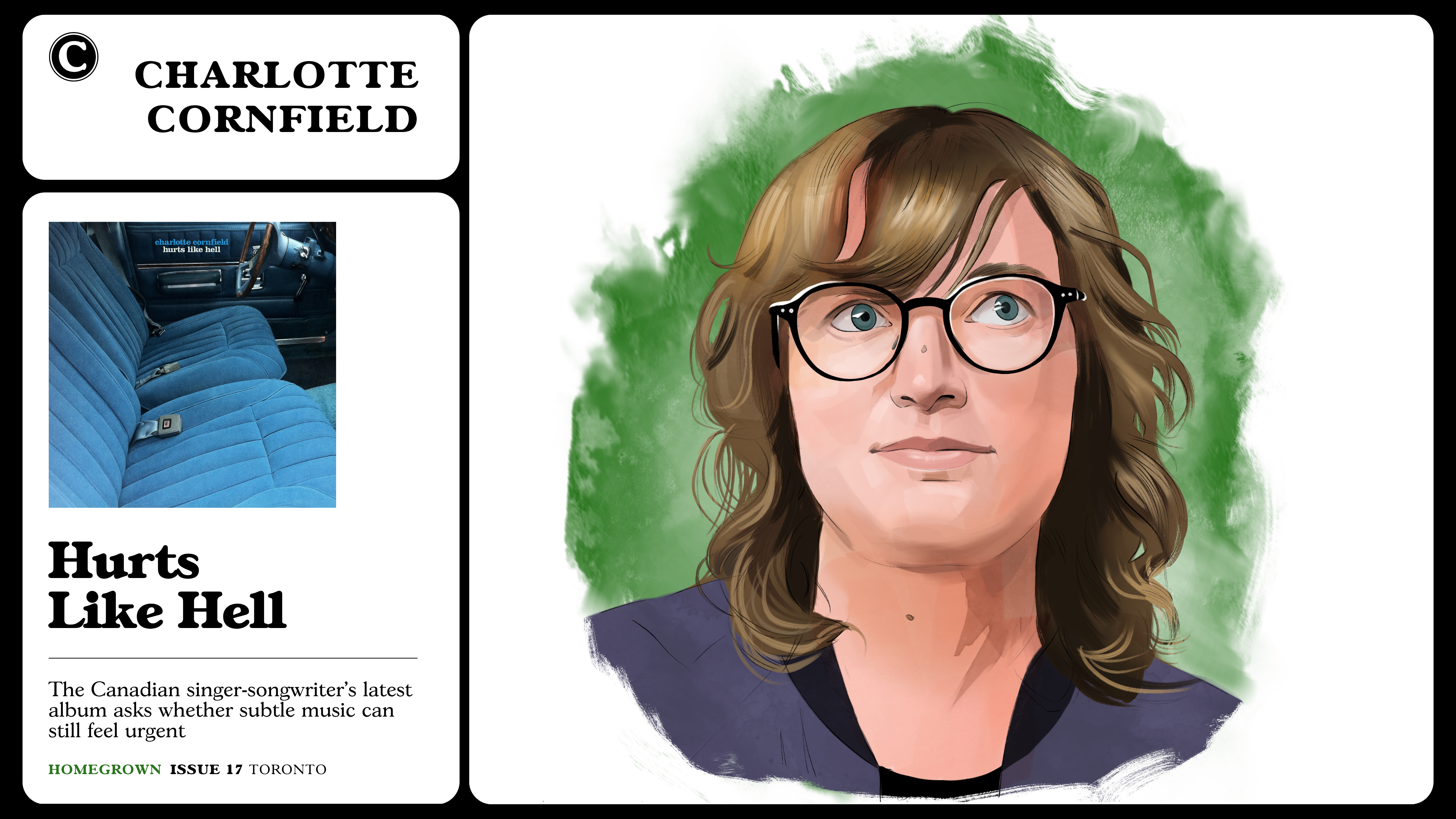
As they say, it takes a village to raise a child. It’s no different when it comes to putting out a memorable record—take Charlotte Cornfield’s word for it. On Hurts Like Hell, her sixth studio album and first with renowned indie label Merge Records, she builds on her earlier body of work by continuing to explore the little moments between people.


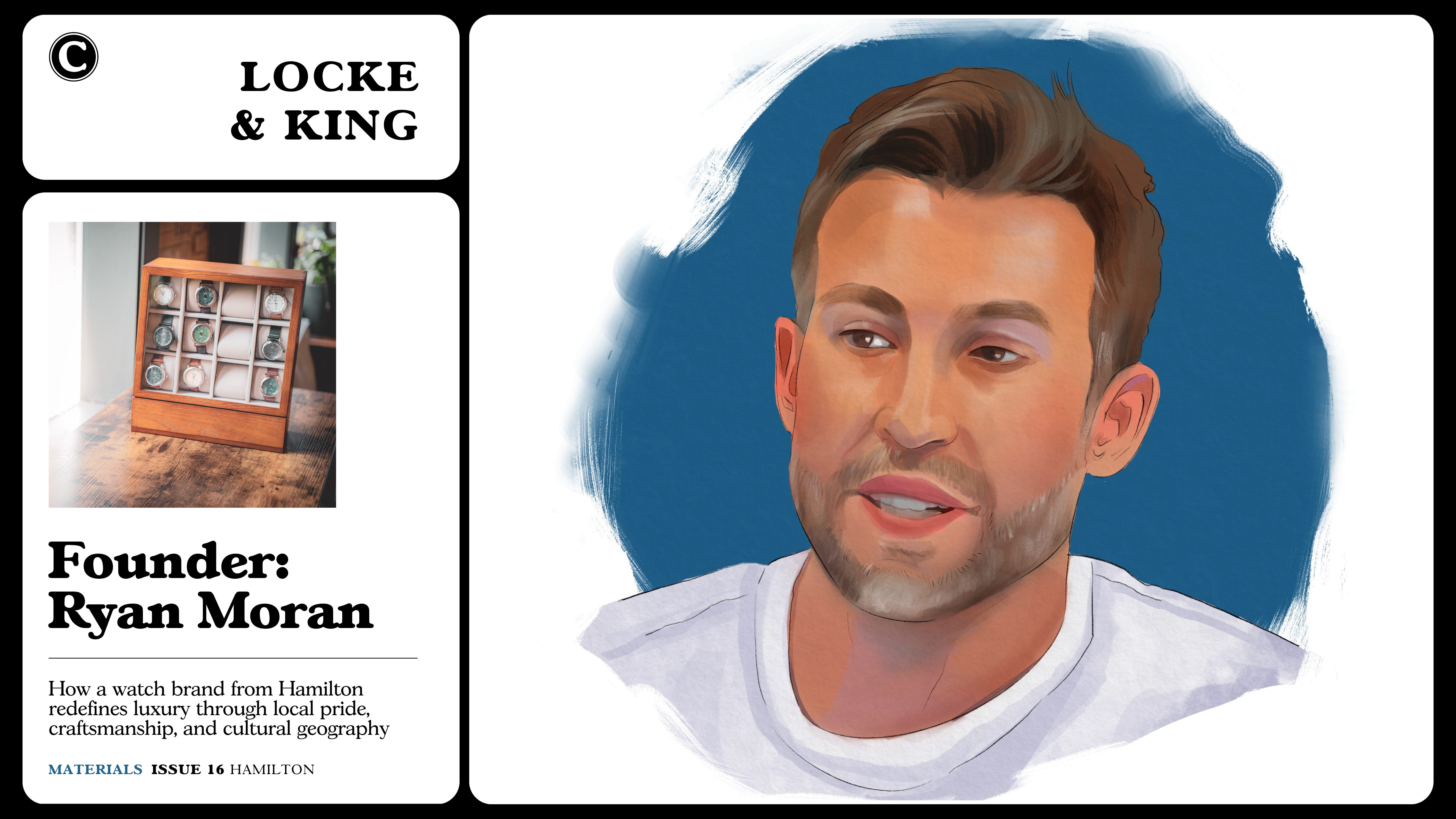
Finding himself at a professional crossroads brought on by the financial instability that the COVID-19 pandemic wrought in 2020, Ryan Moran took a leap. Inspired by the roll-up-your-sleeves ethos of his hometown of Hamilton, Moran founded Locke & King.
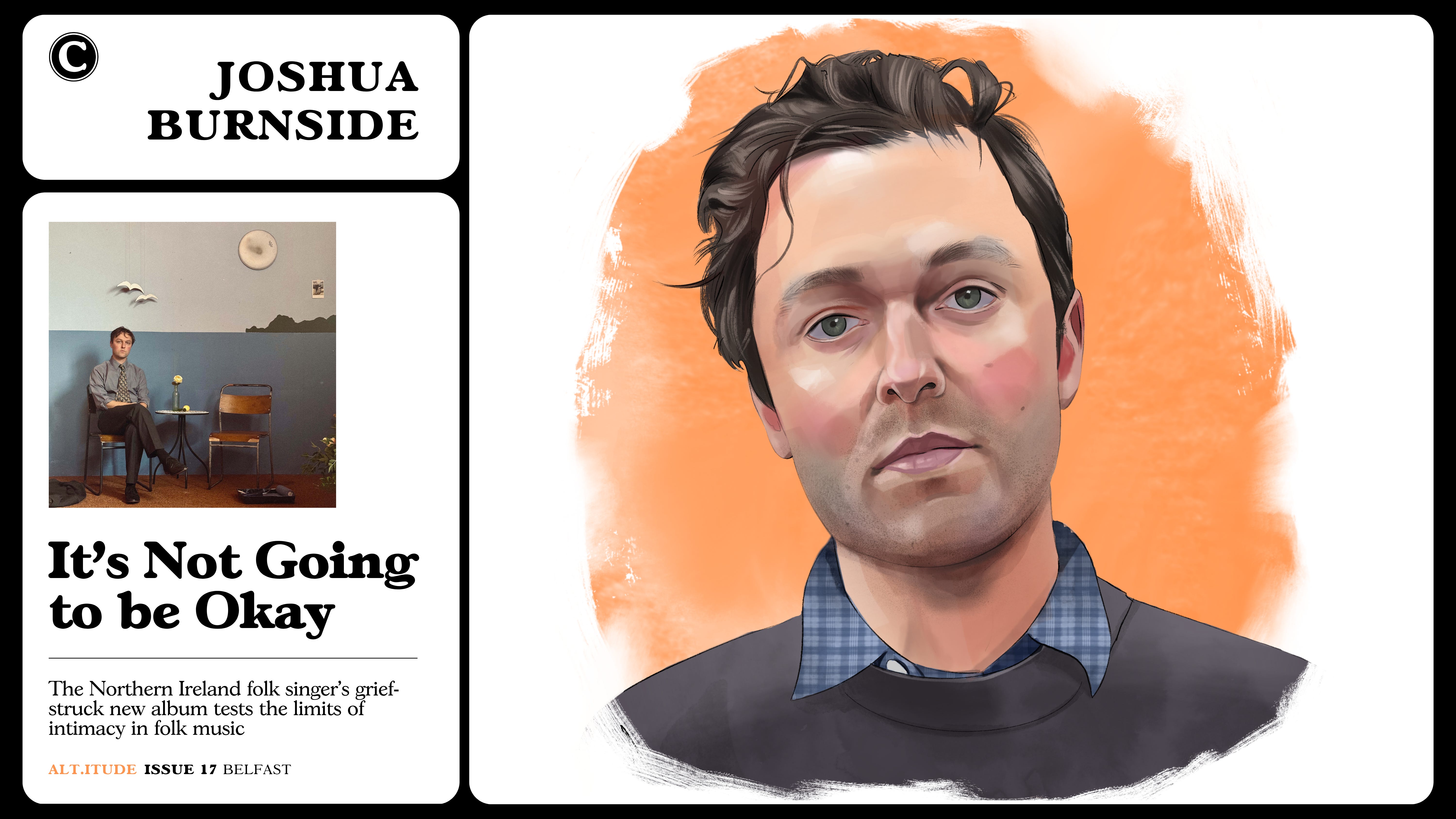
Listen closer and you will find in the music of Joshua Burnside a tangled Celtic knot of contradictions. The Belfast-based folk artist makes music that is Irish through and through, yet his musical inspirations are sourced from North American influences and his intended audience is increasingly international. Is it folk music if the origin and intended destination of the music is not tethered to its traditional locality? Must there be a native “folk” that prescribes and responds to a folk tradition? How does a musical tradition remain both cohesive and relevant in the face of an ethnically diversifying Northern Ireland?

In the second instalment of Notes From the Recording, we turn towards Beethoven’s Pastoral Symphony through the lens of vinyl culture featuring a recording by the Toronto Symphony Orchestra. Moving between personal listening reflections and broader musical history, this instalment considers how recordings of the Sixth Symphony have long wrestled with Beethoven’s own resistance to overt programmatic storytelling, while also reflecting on the nostalgia and visual language that surround classical records themselves. As with the series’ first entry, this entry treats the act of listening not simply as consumption, but as a lived ritual shaped by memory, collecting, and the physicality of recorded sound.
Sunday Special #1
Featuring Stephan Moccio, Hali Sofala-Jones, Jon Batiste, and an Arugula salad
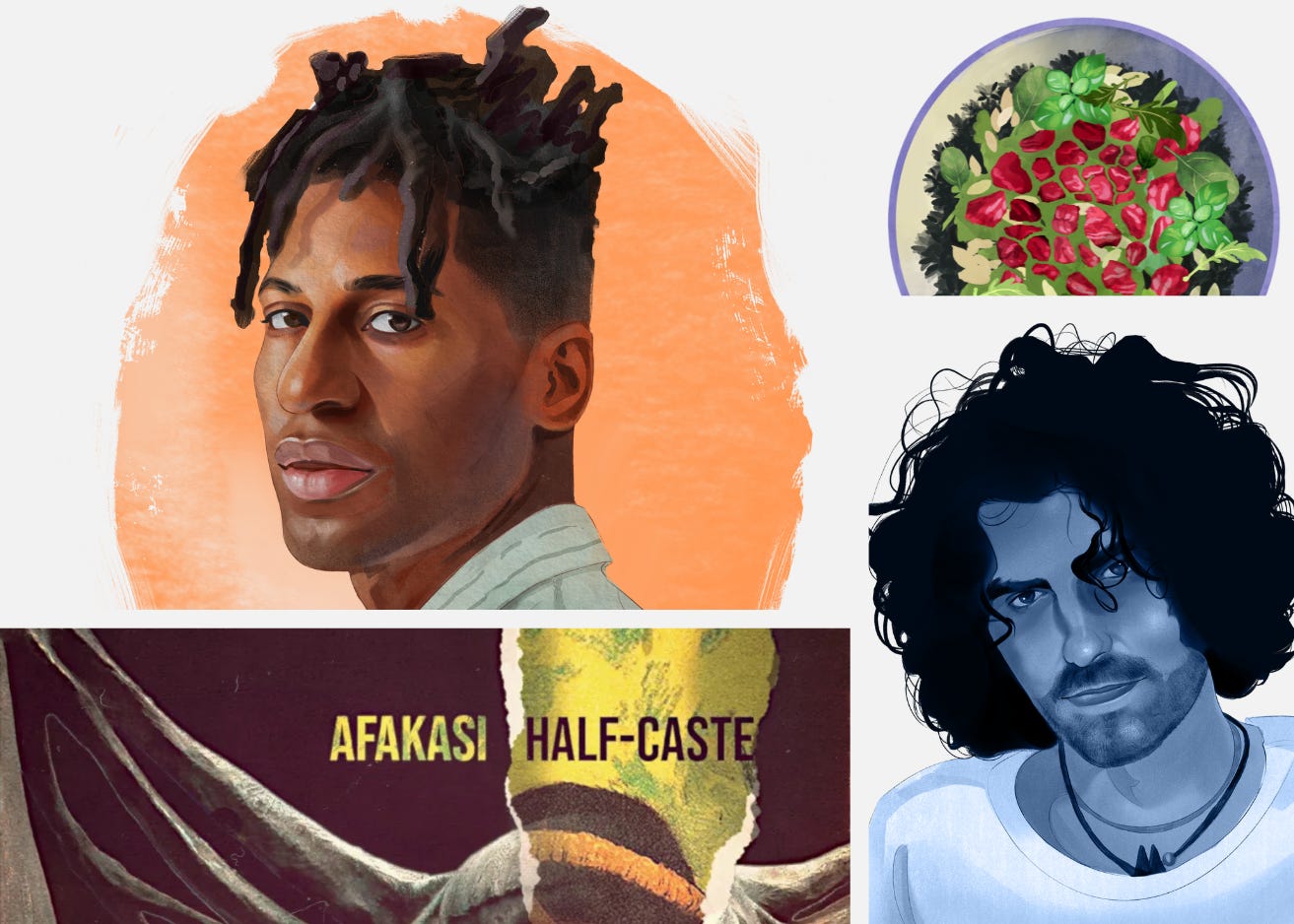
Sunday Special is a new series we’re starting to capture our editorial content in a Sunday dish. This is a straightforward offering: one Sunday a month we’ll arrive in your inbox with a mix of music, poetry, something for your kitchen, and a fitting editorial highlight.
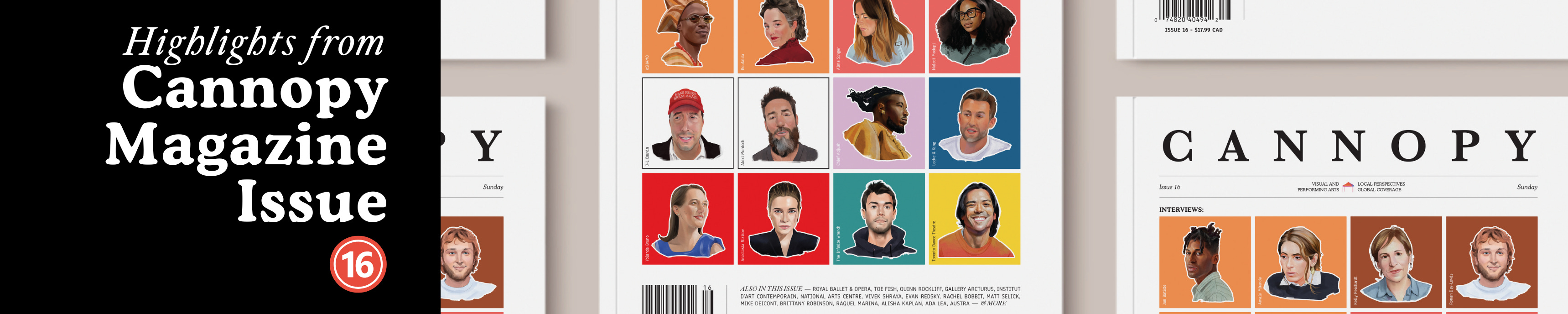
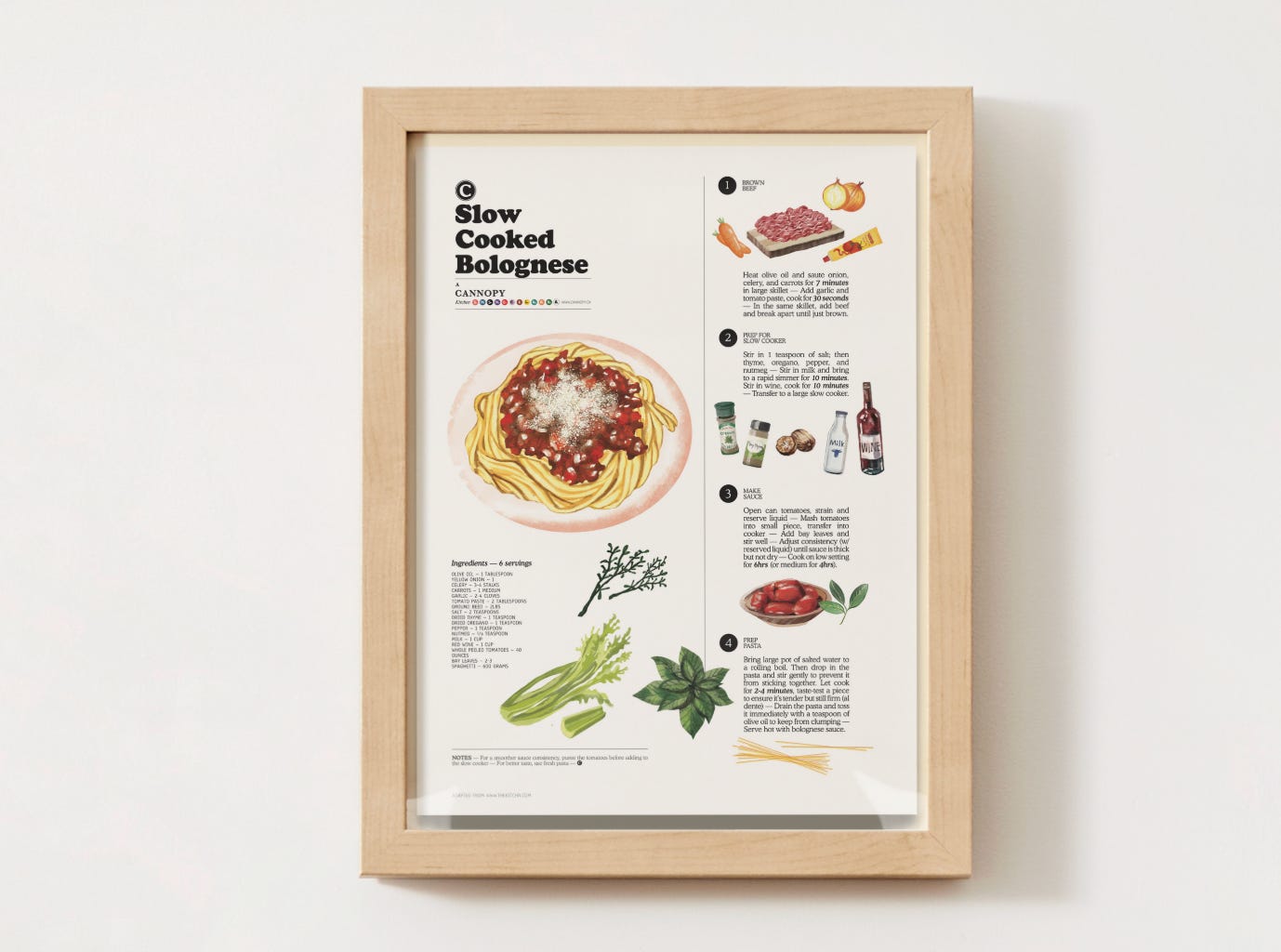
Discover the Cannopy Frameable Series
For a limited time: get a copy of Issue 16 and receive a complimentary poster of your choice

“ At a time when social centers are being violently shut down (such as the historic Leoncavallo in Milan, which was evicted in August 2025) and the government seeks to homogenise Italy’s cultural identity—our voices, our bodies, and our messages cannot be silenced.”